A First Tennis Match on Television: Follow the Returner
Follow the returner in your first tennis match on television to make opening points easier to follow and understand how each rally gets under way.
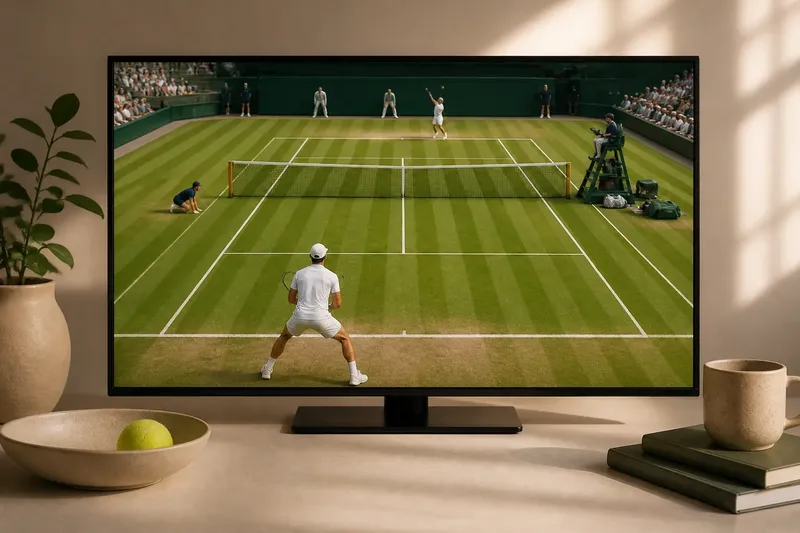
Follow the returner in your first tennis match on television and the opening point has a clear starting place. Before the serve, notice where they stand; after it, watch how they respond. You do not need to know every rule or recognise every shot to stay with the match.
The returner is a useful viewing guide, not because every rally follows a neat pattern, but because their position is visible before play begins. You can keep that simple thread through a point, then switch attention when something catches your eye.
A clear starting point
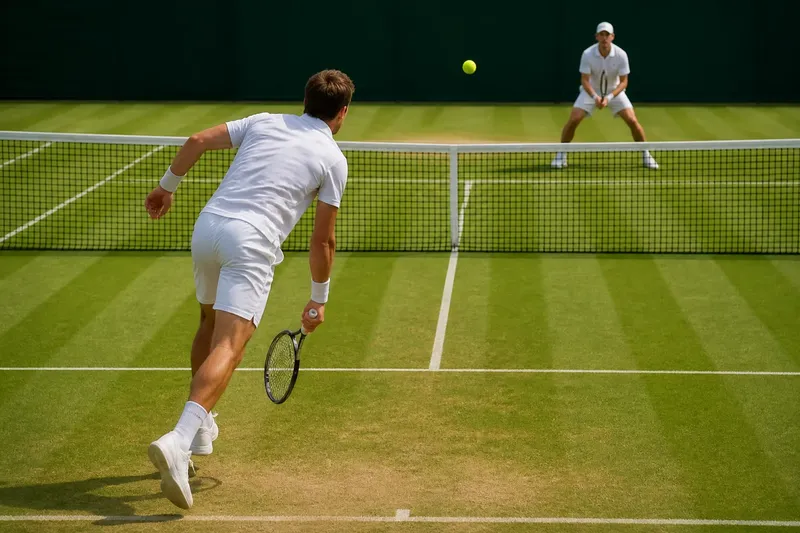
The server begins the point, so it is natural to watch the toss and the serve. But the returner is already making a choice about where to wait. That gives a new viewer something concrete to notice before the ball starts moving quickly.
Look for broad differences rather than exact distances. Is the returner close to the back line, well behind it, or somewhere between? Do they look settled, or make small adjustments as the server prepares? A television camera can flatten the court, so comparing one point with another is often more useful than judging a precise spot.
There is no need to decide what the position means straight away. A player might stand farther back to allow more time, or simply prefer that position. Keep the observation in mind and see whether it changes on the next serve.
Three ways to watch
You can follow a match through the returner, the server or the ball. Each choice gives you a different kind of story.
- Follow the returner. Notice their position before the serve and their first response. This is a simple way to keep track of how each point begins.
- Follow the server. Watch the serve and how the server prepares for the next shot. This suits you if you are curious about how the point starts from the other side.
- Follow the ball. Track its path across the court. This makes the rally itself easier to follow, though the players may be harder to keep in view.
Start with one viewpoint for a few points. If the returner’s reply is hard to see, follow the ball instead. If you become curious about what the server does next, switch to them for the following point.
What to notice
Before the serve, take in the returner’s general position. Then watch the first reply: does the ball come back high or low, deep or short, towards the middle or nearer a sideline? You do not have to name the stroke. Simply noticing where the ball goes is enough to give the point shape.
Some returns are compact and controlled; others are struck more firmly. The serve may leave the returner little time, so a brief reply can be a sensible way to keep the ball in play. If the return looks forceful, the player may be trying to put the server under pressure. Treat these as possibilities, not firm conclusions.
After the return, let your eyes follow the rally naturally. The returner may move back towards the middle, stay where they are or be drawn across the court. You need not track every footstep. Just notice whether the next shot keeps the point going or ends it.
When should you switch focus?
Should I watch the ball or the player?
Watch the returner before the serve and for their first reply, then follow the ball once the rally is under way. That gives you a simple way to see both the player’s response and the exchange that follows.
What does standing farther back suggest?
It may mean the returner wants more time to react, but it can also be a familiar position. Compare it with where they stand on other serves before drawing a conclusion.
Why might the returner move forward?
They may be trying to meet the serve earlier, or responding to a ball they can reach comfortably. Watch what happens to the return rather than assuming the movement has one fixed meaning.
When is the server the better focus?
Switch to the server when you want to see what they do after the return. It is also a useful change if you find yourself wondering how a point continues from their side.
A worked viewing example
Say you are watching a match and the returner begins well behind the back line on a first serve. They make a short reply, and the next point starts with them closer to the line against a second serve. This time, they send the ball back deep through the middle. You can note the visible difference—closer starting position, different return—without deciding that one choice caused the point to go a certain way. If the server has time to play a comfortable next shot, the return has not ended the exchange; if they are rushed, you can watch how they handle that pressure.
For another point, imagine the returner stays in the same place but sends the ball towards a sideline. The server moves across to reach it, and the rally continues. Your useful observation is simply that the ball made the server move; you do not need a tactical explanation to enjoy what happens next.
Keep the score in view
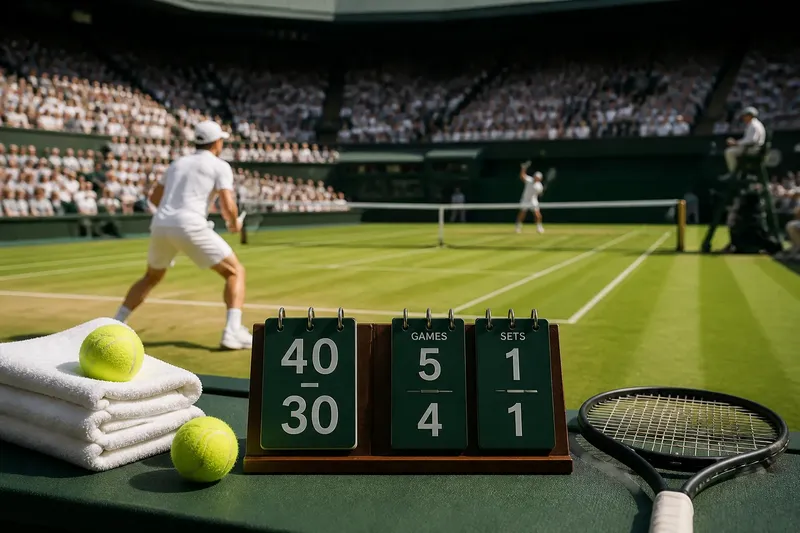
The score can help explain why a point feels tense, but you can follow the match without decoding every number at once. Listen for the score announcement and notice when a player appears to slow down or take more time between points. The main viewing task remains the same: follow one exchange and see how it ends.
If you lose track of the score, wait for the next announcement rather than trying to reconstruct it during a rally. Tennis has its own scoring terms, and a broadcast graphic can help you reconnect. Missing a point’s context does not stop you from following the next one.
Following the returner is a handy way to make a first tennis match on television easier to follow. Notice where they wait, watch their first reply, and let the rally take over from there. Once that feels comfortable, try a point from the server’s side or follow the ball instead; changing your viewpoint can make the same exchange feel fresh without turning watching into homework.